Secure Ways to Manage Online Bill Payment
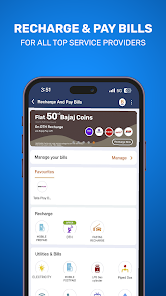
Online bill payment can make it easier to manage recurring household expenses such as electricity, mobile, broadband, gas and other eligible services. Instead of visiting separate service centres or websites, users can often complete multiple payments digitally and maintain transaction records in one place.
Some broader financial platforms may also provide access to a Personal Loan alongside payment-related services. Borrowing and routine bill management should be treated separately, because a loan creates an additional repayment obligation while bills are recurring household expenses that ideally fit within the regular monthly budget.
A structured online bill payment process can help users avoid missed due dates, reduce manual effort and maintain clearer records, provided every transaction is reviewed carefully before confirmation.
Start With The Correct Biller
The first step is to select the correct service provider.
Common categories may include:
- Electricity
- Mobile postpaid
- Broadband
- Gas
- Water
- DTH
- Municipal services
- Other supported utilities
- Verify The Account Information
Before proceeding, users should confirm:
- Biller name
- Consumer or account number
- Billing period
- Amount due
- Due date
An incorrect customer number can cause payment complications, so saved biller information should be reviewed periodically.
Check The Bill Amount
Many digital platforms automatically retrieve the current outstanding amount from the service provider.
Users should compare the displayed amount with the bill received from the utility or service provider.
Investigate Unusual Amounts
A sudden increase can result from:
- Higher usage
- Tariff changes
- Previous unpaid balance
- Additional charges
- Billing adjustments
If the amount appears unusual, users may prefer to verify the bill before paying rather than proceeding automatically.
Track Payment Due Dates
Late payments can result in penalties or service interruptions depending on the biller.
A simple monthly payment schedule can make recurring expenses easier to manage.
Group Bills By Due Date
Users can organise obligations into weekly groups, such as:
- Early-month bills
- Mid-month bills
- End-of-month bills
This can make household cash flow easier to plan.
Keeping sufficient funds available before due dates can also reduce failed payments.
Choose A Suitable Payment Method
Online bill payment may support several payment methods depending on the platform and service provider.
Options may include:
- UPI
- Debit card
- Credit card
- Net banking
- Other supported digital methods
- Review Any Additional Charges
Different payment routes may have different fees or limits.
Before confirming the transaction, users should check:
- Payment amount
- Convenience fee
- Applicable taxes
- Final amount payable
A small fee repeated across several monthly bills can increase overall household costs.
Verify Details Before Authorisation
Digital transactions can be completed quickly, but speed should not replace accuracy.
Users should review the full payment screen before authorising the transaction.
Check The Final Payment Summary
Important details include:
- Correct biller
- Correct customer number
- Payment amount
- Selected payment account
- Applicable fee
- Final payable amount
This final review can reduce errors.
Understand Payment Status
After completing a transaction, users should receive a clear status.
Typical statuses may include:
- Successful
- Pending
- Failed
- Processing
- Avoid Repeating Pending Payments Immediately
A pending transaction may still be processed.
Before making another payment, users should check:
- Transaction history
- Bank account balance
- Biller status
- Payment reference
This can reduce the risk of duplicate payments.
Keep Digital Receipts
Transaction receipts can help confirm that a payment was completed.
Useful details may include:
- Transaction ID
- Date and time
- Amount
- Biller name
- Payment status
- Store Important Records
Digital receipts can be useful for:
- Household budgeting
- Reimbursement
- Dispute resolution
- Expense tracking
- Payment verification
Users may also keep copies of important receipts outside the application for easy reference.
Use Payment Reminders
Reminder features can help users avoid missed due dates.
Notifications may be available when:
- A bill is generated
- The due date approaches
- Payment is completed
- Payment fails
- Keep Notifications Relevant
Too many alerts can make important reminders easier to ignore.
Users may prefer to enable only payment-related notifications that help them take timely action.
Review Auto-Pay Features Carefully
Auto-pay can reduce the effort involved in recurring bills.
Once authorised, eligible bills may be paid automatically according to the mandate settings.
Auto-Pay Still Needs Monitoring
Users should periodically verify:
- Mandate status
- Upcoming payment amount
- Linked account balance
- Biller details
- Successful completion
Automatic payments can fail if the account balance is insufficient or if payment details change.
Prioritise Account Security
Financial applications handle sensitive personal and transaction information.
Security should therefore be a major consideration.
Useful protections may include:
- Secure login
- Device verification
- Transaction alerts
- Session controls
- Multi-factor authentication
- Never Share Sensitive Credentials
Users should not disclose:
- OTPs
- UPI PINs
- Card PINs
- Passwords
- Verification codes
Unexpected messages requesting these details should be treated cautiously.
Use Official Payment Channels
Users should preferably complete transactions through official biller websites, recognised banking applications or trusted financial platforms.
Be Careful With Payment Links
Fraudulent websites can imitate legitimate service providers.
Users should avoid entering financial information through unfamiliar links received by SMS, email or messaging applications.
Checking the application source and destination before logging in can reduce risk.
Monitor Household Expenses
Online payment history can provide a useful record of recurring expenses.
Users may compare month-to-month spending on:
- Electricity
- Broadband
- Mobile
- Gas
- Water
- Look For Unexpected Changes
A significant increase in a bill may indicate higher usage, pricing changes or billing adjustments.
Reviewing transaction history can make these changes easier to identify.
This can also support more accurate household budgeting.
Keep Routine Bills Within The Monthly Budget
Essential utility payments should ideally be covered through planned monthly income.
Repeatedly using credit to pay routine expenses can create a cycle of additional repayment obligations.
Separate Fixed And Variable Expenses
Users can divide monthly expenses into:
- Essential fixed costs
- Variable household costs
- Discretionary spending
- Savings
This makes it easier to allocate funds for recurring bills before optional spending.
Understand Failed Payment Procedures
Technical or banking issues can occasionally interrupt transactions.
In some cases, money may be debited even when the biller has not yet confirmed payment.
Keep The Reference Number
Users should record:
- Transaction ID
- Payment date
- Amount
- Biller
- Payment status
These details can help when raising a support request.
Review Customer Support Options
Support becomes important when users face duplicate, failed or delayed payments.
A digital platform may offer:
- In-app support
- Phone
- Ticket systems
- Help centre resources
- Understand Escalation Steps
Users should know how to escalate an unresolved payment issue.
A clear complaint process can make it easier to track the status of a dispute.
Estimate Borrowing Separately From Bill Payments
If an unexpected expense creates a temporary funding requirement, users may consider different financial options.
A personal loan calculator can help estimate potential EMIs based on assumed loan amounts, rates and tenures, but borrowing should still be evaluated independently from regular household bill payments.
Such calculations are estimates, and actual loan terms may differ.
Conclusion
Online bill payment can simplify monthly financial management by helping users track due dates, complete payments and maintain digital records.
The most important practices include verifying biller details, reviewing payment amounts, keeping transaction references and protecting financial credentials.
Auto-pay and reminders can reduce manual effort, but users should still monitor transactions and maintain sufficient funds.
A careful digital payment routine can make recurring household expenses easier to manage while reducing avoidable errors and missed deadlines.